Easy Homemade Pasta: Simple Recipes for Any Night & Skill Level
Imagine a plate of perfectly al dente pasta, coated in your favorite sauce, knowing that every strand was crafted by your own hands. Many believe that making fresh, homemade pasta is a complex endeavor reserved for professional chefs or special occasions. However, this couldn't be further from the truth. With just a few basic ingredients and simple techniques, creating delectable homemade pasta can become a joyful, regular ritual in your kitchen, transforming an ordinary weeknight dinner into something truly extraordinary. Whether you're a complete novice or looking to refine your pasta-making prowess, the world of homemade noodles is incredibly accessible and deeply rewarding.
Why Choose Homemade Pasta? More Than Just a Meal
The allure of homemade pasta extends far beyond its incredible taste. While the superior flavor and texture are undeniable – that delicate-yet-toothsome bite of fresh dough is simply unmatched by dried varieties – the process itself offers a unique kind of satisfaction. When you embark on creating pasta from scratch, you're not just cooking; you're engaging in a culinary tradition that connects you to generations of home cooks.
There's a tangible pleasure in the craft: feeling the flour and eggs come together, kneading the dough until it’s smooth and elastic, and watching it transform into silky sheets ready for shaping. It’s a meditative, often relaxing routine that allows you to slow down and enjoy the journey as much as the destination. Moreover, making your own pasta gives you complete control over the ingredients, allowing you to choose high-quality flour and eggs, adjust for dietary preferences like whole wheat, or even experiment with vibrant additions for colorful dough. From hearty whole wheat pasta to pillowy potato gnocchi, the choices are yours, making every dish truly personalized.
The Essential Ingredients: Simple Magic, Amazing Results
The beauty of
Unlock Authentic Italian Pasta: The Best Flour & Egg Secrets lies in its humble origins. You truly only need a handful of pantry staples to create magic. The core components are typically flour and eggs, often enhanced with a touch of olive oil and salt.
*
Flour: The Foundation
Traditionally, Italian pasta relies on "00" flour, an incredibly fine-milled wheat flour that yields a silky, delicate texture. Semolina flour, made from durum wheat, is another fantastic option, lending a slightly coarser texture and a wonderful, toothsome bite, perfect for heartier shapes. However, don't let the need for specialty flours deter you! Many successful
Skip Fancy Flour: Make Delicious 4-Ingredient Homemade Pasta start with readily available all-purpose flour. This versatile flour consistently produces chewy, bouncy noodles, proving that you don't need exotic ingredients for delicious results. For those seeking a healthier twist or a different flavor profile, whole wheat flour offers a robust, nutty alternative that pairs wonderfully with rich sauces.
*
Eggs: The Binder and Richness Provider
Eggs are paramount in fresh pasta dough. They not only provide the necessary moisture to bind the flour but also contribute significantly to the dough's richness, color, and elasticity. The classic Italian ratio often suggests one egg per 100 grams of flour, a reliable guideline that ensures a balanced, workable dough. The yolks, in particular, add a depth of flavor and a beautiful golden hue to your finished pasta.
*
Olive Oil & Salt: The Flavor Enhancers
A splash of good quality olive oil can add extra moisture and pliability to the dough, making it easier to work with. Salt, while seemingly minor, plays a crucial role. It enhances the flavor of the pasta itself, ensuring that even a simple butter and cheese sauce sings with taste. Remember to also generously salt your pasta water for the best overall flavor experience.
Mastering the Dough: A Step-by-Step Guide for Homemade Pasta
Creating the perfect dough is the heart of any successful homemade pasta recipe. While it might seem daunting, the process is incredibly straightforward and forgiving, especially with a few practical tips.
1.
The Flour Well Method: This traditional approach is both effective and visually appealing. On a clean, spacious work surface (a large wooden board is ideal), mound your chosen flour into a neat pile. Create a deep well in the center, much like a volcano.
2.
Add the Wet Ingredients: Crack your eggs directly into the well. Add the olive oil and salt. Using a fork, gently whisk the eggs and liquids, gradually incorporating small amounts of flour from the inner walls of the well. The goal is to slowly bring the flour into the liquid, preventing the liquid from spilling out.
3.
Combine and Knead: As the mixture thickens, switch from the fork to your hands. Begin to fold and press the remaining flour into the wet mixture until a shaggy dough forms. Now, the kneading begins! This is where the magic happens. Vigorously knead the dough for about 8-10 minutes. Use the heel of your hand to push the dough away from you, fold it over, and rotate. The dough will feel sticky at first, but with continued kneading, it will transform. You're looking for a smooth, elastic, and supple dough that springs back slightly when poked. This process develops the gluten, which is essential for that perfect al dente bite.
4.
Rest the Dough: This step is non-negotiable! Tightly wrap the kneaded dough in plastic wrap or place it in an airtight container. Allow it to rest at room temperature for at least 30 minutes, or even up to an hour. Resting allows the gluten to relax, making the dough much easier to roll out thinly without shrinking back. It also helps the flour fully hydrate, resulting in a more tender pasta.
Practical Tips for Dough Success:
*
Humidity Matters: The amount of flour your dough absorbs can vary based on the humidity in your kitchen. If your dough feels too dry and crumbly, add a tiny bit of water (a teaspoon at a time). If it's too wet and sticky, dust with a little extra flour. Trust your instincts and the feel of the dough.
*
Don't Be Afraid to Knead: Proper kneading is key to an elastic dough. Don't cut this step short. You'll literally feel the dough come alive under your hands.
*
Keep it Covered: Once kneaded and rested, and even while you're working on batches, always keep your dough tightly covered. Exposure to air will cause it to dry out, making it brittle and difficult to roll.
Shaping Your Masterpiece: Tools & Techniques for Homemade Pasta
Once your dough is perfectly rested, it's time for the exciting part: shaping your homemade pasta! You have options here, catering to different preferences and tools.
*
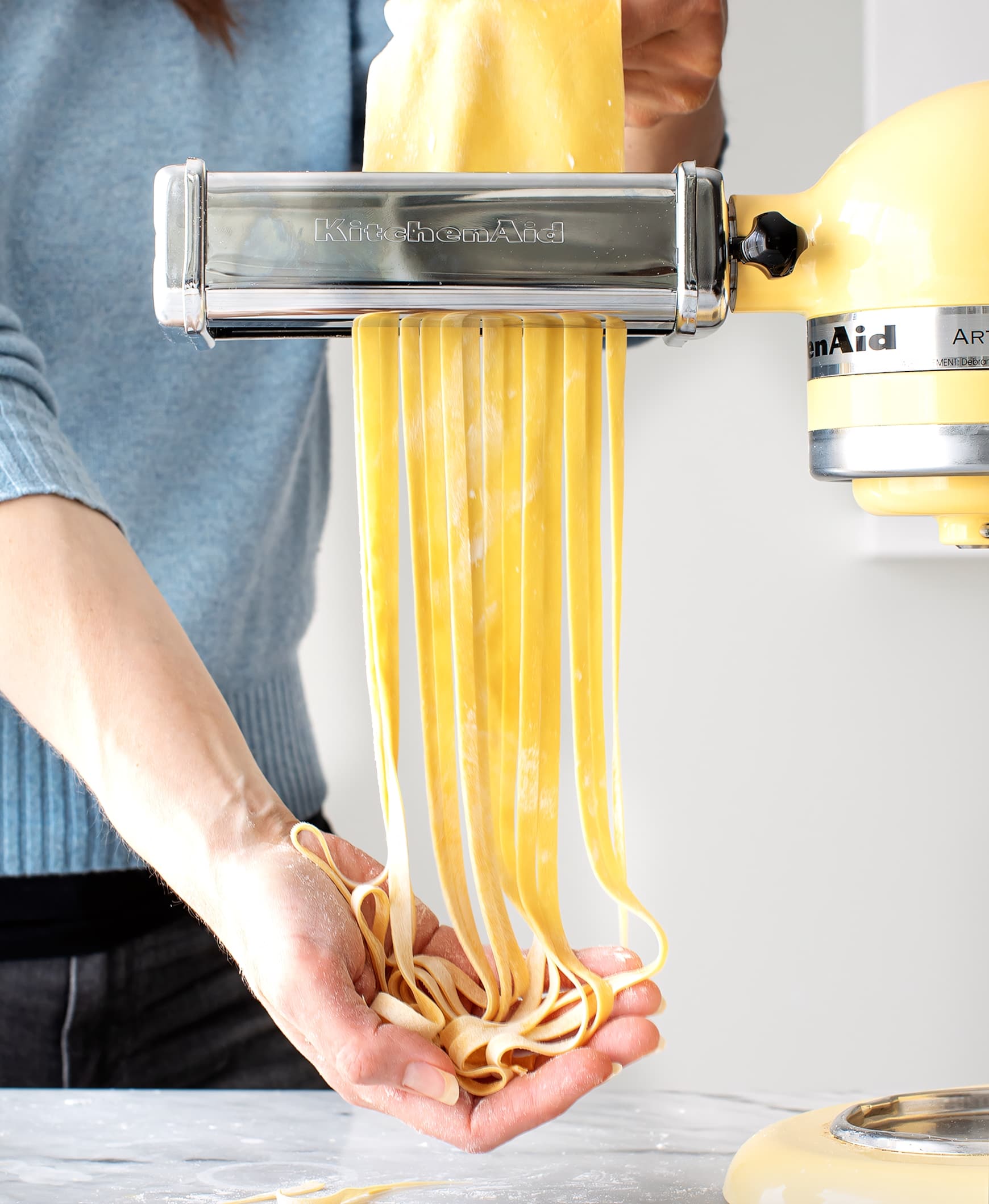
The Pasta Machine Advantage: For effortless precision and perfectly even sheets, an electric or hand-crank pasta machine is an invaluable tool. It consistently rolls the dough to your desired thickness, making quick work of long strands like tagliatelle, fettuccine, or linguine. Most machines also come with attachments for cutting different noodle shapes.
*
The Rolling Pin Method: Don't have a pasta machine? No problem! A good old-fashioned rolling pin and a sharp knife are all you truly need. This method requires a bit more arm work but is incredibly satisfying. Roll out small portions of dough as thinly as possible – aim for translucence. For shapes like tagliatelle or pappardelle, lightly flour the rolled sheet, loosely fold it a few times, and then use a sharp knife to cut it into strips of your desired width. Unfurl the strips immediately and dust with semolina to prevent sticking.
*
Exploring Shapes: The world of homemade pasta recipes is vast! Beyond simple noodles, you can create rustic pappardelle, delicate ravioli (filling them with your favorite ricotta and spinach or meat mixture), or even intricate orecchiette. Don't forget the joy of making potato gnocchi, those soft, pillowy dumplings that melt in your mouth. Start simple, then let your creativity guide you.
Cooking Your Fresh Homemade Pasta
Fresh pasta cooks much faster than its dried counterpart. Bring a large pot of water to a rolling boil and season generously with salt – it should taste like the sea! Add your fresh pasta and cook for typically 2-4 minutes, depending on the thickness and shape. Taste a piece to check for that perfect al dente texture – tender but with a slight bite. Drain quickly and toss immediately with your favorite sauce.
Ready to Roll?
Embracing homemade pasta is more than just learning a new recipe; it's rediscovering the joy of cooking from scratch, connecting with culinary traditions, and savoring the unparalleled taste of truly fresh food. From the simple satisfaction of mixing flour and eggs to the delight of creating elegant shapes, every step in the process of making
authentic homemade pasta is a rewarding one. So, gather your ingredients, clear your counter, and get ready to transform your kitchen into an Italian trattoria. You'll soon find that easy homemade pasta isn't just for special occasions, but a simple pleasure you can enjoy any night of the week, no matter your skill level.