Unlock the Art of Authentic Italian Pasta: The Best Flour & Egg Secrets Revealed
There's a special kind of magic that happens when you bring together a few simple ingredients and transform them into something truly extraordinary. For Italians, that magic often comes alive in the form of fresh, homemade pasta. Far from being a daunting task reserved for professional chefs or special occasions, crafting your own pasta from scratch is a deeply rewarding culinary tradition that can easily become a cherished part of your regular cooking routine. Imagine silky tagliatelle, rustic pappardelle, or delicate ravioli, all made with your own hands, promising an authentic al dente bite that store-bought varieties simply can't match.
At the heart of every great Italian pasta lies a secret blend of flour and eggs, combined with passion and a touch of know-how. This comprehensive guide will delve into the essential choices and techniques that guarantee perfect results every time, empowering you to create delicious
Easy Homemade Pasta: Simple Recipes for Any Night & Skill Level. Get ready to explore the foundational elements that make homemade pasta recipes truly shine.
The Flour Factor: Crafting Your Pasta's Perfect Texture
When it comes to homemade pasta, your choice of flour is paramount, directly influencing the final texture and mouthfeel of your noodles. While the concept might seem straightforward – it's just flour, right? – understanding the nuances can elevate your pasta from good to truly exceptional.
The traditional Italian preference leans heavily towards two specific flours:
*
"00" Flour (Doppio Zero): This ultra-fine, low-protein wheat flour is the darling of Italian pasta makers. Its delicate milling process results in a soft, silky dough that's incredibly easy to roll thinly, yielding pasta with a wonderfully smooth and tender texture. It's what gives classic egg pastas their characteristic elegance and delicate bite. If you're aiming for that authentic, light-yet-satisfying texture, "00" flour should be your go-to.
*
Semolina Flour: Derived from durum wheat, semolina flour boasts a higher protein content and a coarser, almost sandy texture compared to "00" flour. When incorporated into pasta dough, it imparts a beautiful pale yellow hue and, more importantly, a firm, "toothsome" bite that's highly prized in many regions of Italy, especially for shapes like orecchiette or cavatelli. Semolina adds structure and prevents the pasta from becoming too soft, ensuring that perfect al dente snap.
The Power of the Blend: Many experienced pasta makers, ourselves included, advocate for a combination of "00" flour and semolina. This blend offers the best of both worlds: the silkiness and ease of handling from the "00" and the sturdy structure and satisfying bite from the semolina. This combination is often cited as the secret to achieving that coveted authentic al dente texture that's both tender and resilient.
Embracing Accessibility: All-Purpose Flour & Beyond: Don't despair if "00" or semolina flour aren't readily available! While they offer distinct advantages, perfectly delicious fresh pasta can absolutely be made with regular all-purpose flour. As some home cooks have discovered, all-purpose flour can yield surprisingly chewy and bouncy noodles every time, proving you don't always need exotic ingredients to create culinary masterpieces. For those seeking a heartier option, whole wheat flour can also be incorporated, providing a robust flavor and added nutritional value, though it may result in a denser texture. If you're interested in keeping it simple, you might enjoy discovering how to
Skip Fancy Flour: Make Delicious 4-Ingredient Homemade Pasta.
Ultimately, your flour choice dictates your pasta's personality. Experimenting with different types and blends is part of the fun in exploring various homemade pasta recipes!
The Golden Binder: Unraveling the Secrets of Eggs in Pasta Dough
Eggs are the lifeblood of most traditional Italian fresh pasta, acting as both a binder and a flavor enhancer. They contribute richness, moisture, and that beautiful golden color that signals quality and freshness. Understanding the role of eggs and their ideal ratio to flour is crucial for a dough that is not only easy to work with but also delivers on taste and texture.
The Classic Italian Ratio: The golden rule in Italian pasta making is remarkably simple and incredibly reliable:
one large egg per 100 grams of flour. This ratio has been perfected over generations and consistently yields a dough that is smooth, elastic, and perfectly hydrated, making it a joy to knead and roll.
*
Why it Works: Eggs provide the necessary liquid to bind the flour, creating a pliable dough that can withstand rolling and shaping without tearing. The protein in the egg whites contributes to the pasta's structure and chewiness, while the yolks add richness, flavor, and a vibrant yellow hue.
*
Adjusting for Perfection: While the "one egg per 100g flour" rule is a fantastic starting point, remember that egg sizes can vary, as can the absorbency of different flours. Don't be afraid to trust your instincts and the feel of the dough. If your dough feels too dry and crumbly, add a tiny bit of water (a teaspoon at a time). If it's too sticky, sprinkle in a little more flour. The goal is a dough that is firm, elastic, and slightly tacky, but not sticky.
*
The Role of Olive Oil: While not strictly traditional in all regions, a splash of good quality olive oil can be a welcome addition to your pasta dough. It helps to moisten the dough, makes it smoother, and can contribute to its elasticity, especially useful if you're working with slightly drier flours or aiming for a very tender result. A pinch of salt is also essential, not just for flavoring the dough itself, but to enhance the overall taste of the finished pasta.
Crafting Your Dough: From Nest to Noodle
The actual process of making pasta dough is surprisingly therapeutic. It's a hands-on experience that connects you to generations of Italian home cooks.
1.
The Flour Nest: Start by mounding your chosen flour(s) directly onto a clean, spacious work surface (a large wooden board is ideal). Create a well in the center, like a volcano, ensuring the walls are high enough to contain the liquid.
2.
The Liquid Center: Crack your eggs into the well. If using, add your olive oil and salt here too. Use a fork to gently break up the eggs, slowly incorporating small amounts of flour from the inner walls of the well. Continue this process carefully, preventing the liquid from breaching the flour walls, until a shaggy, thick paste forms.
3.
Bringing it Together: Once the liquid is mostly absorbed, use a bench scraper or your hands to gradually pull the remaining flour into the center, mixing until a cohesive dough forms.
4.
The Kneading Ritual: This is where the magic truly happens. Flour your hands lightly and begin to knead the dough with enthusiasm. Push it away from you with the heel of your hand, fold it back over, rotate, and repeat. This process develops the gluten in the flour, transforming a rough mass into a smooth, elastic, and pliable dough. Knead for 8-10 minutes, or until the dough feels soft, supple, and springs back slowly when poked. It should truly feel "alive" under your hands.
5.
The Rest: Form the dough into a ball, wrap it tightly in plastic wrap, and let it rest at room temperature for at least 30 minutes (or up to an hour). This crucial step allows the gluten to relax, making the dough much easier to roll out thinly without tearing or springing back excessively.
Beyond the Basics: Shaping, Drying, and Enjoying Your Creation
With your perfectly rested dough in hand, you're ready for the fun part: shaping!
*
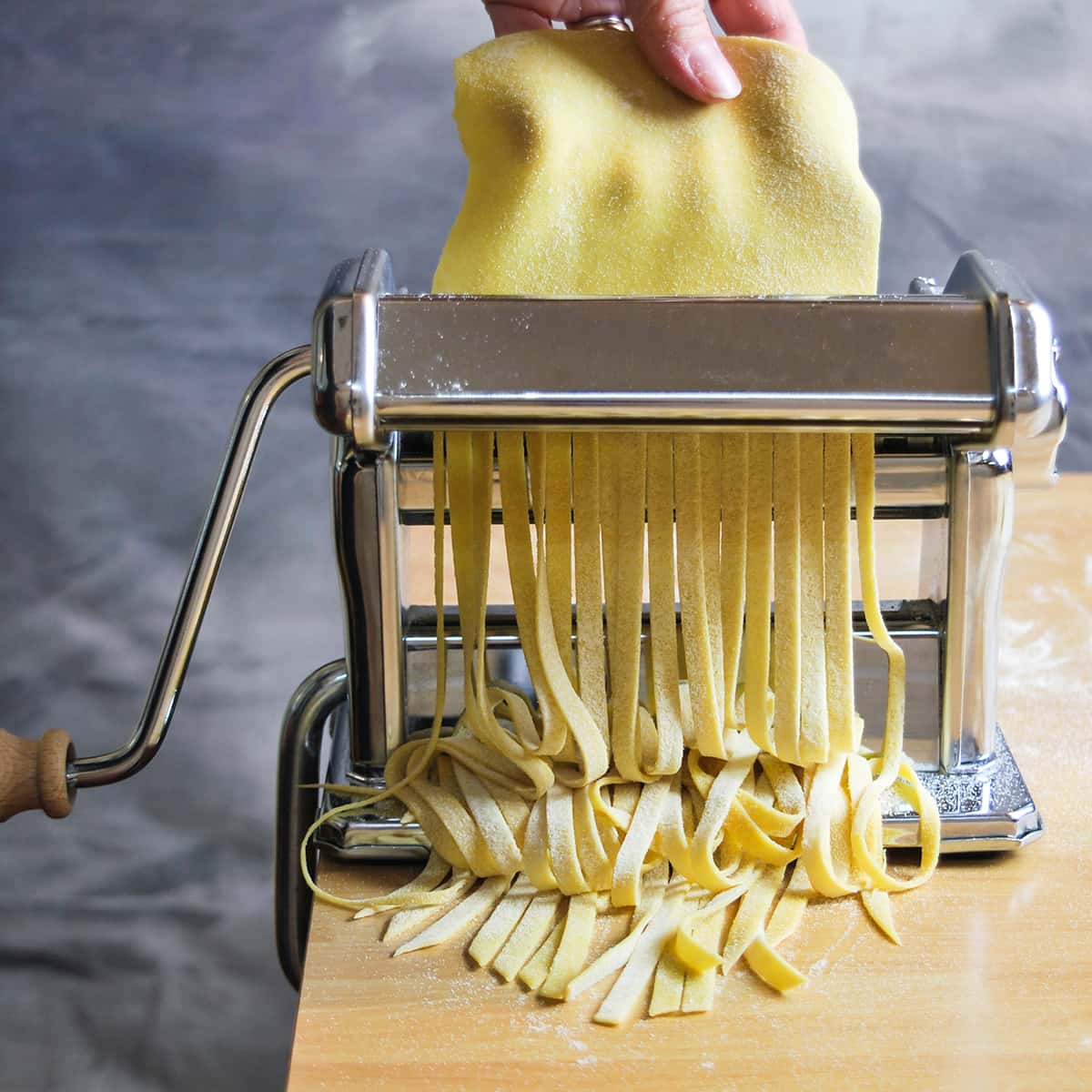
Rolling with Precision: For consistently thin and even sheets, an electric or hand-cranked pasta machine is an invaluable tool. It allows for effortless precision, gradually thinning the dough through successive settings. If you don't have a machine, a good old-fashioned rolling pin and a sharp knife work perfectly for a more rustic approach. Remember to work with small portions of dough, keeping the rest covered to prevent drying, and dust generously with flour to prevent sticking.
*
Endless Shapes: The beauty of homemade pasta lies in its versatility. You can cut your sheets into classic tagliatelle, pappardelle, or fettuccine. For ravioli or other filled pastas, you'll need two sheets. The possibilities are truly endless, limited only by your imagination. Even delightful potato gnocchi, while technically a dumpling, is often included in the homemade pasta family, offering a pillowy soft texture.
*
Cooking Fresh Pasta: Fresh pasta cooks significantly faster than dried, often in just 2-4 minutes. Bring a large pot of heavily salted water to a rolling boil. Drop in your pasta, stir gently, and cook until it floats to the surface and is perfectly al dente – tender with a slight bite.
*
Storage Tips: If not cooking immediately, freshly cut pasta can be lightly floured and laid on drying racks for a short period (15-30 minutes) to prevent sticking. For longer storage, you can either dry it completely for several hours (or overnight) or freeze it, tightly wrapped, for up to a month.
The Ultimate Reward
Embarking on the journey of homemade pasta making is more than just cooking; it's an experience. It's about connecting with a rich culinary heritage, creating something beautiful with your own hands, and enjoying the incomparable flavor and texture of authentic Italian pasta. By understanding the best flour combinations and mastering the simple egg-to-flour ratio, you unlock the true secrets to crafting homemade pasta recipes that will impress your family and friends, turning any meal into a comforting, special occasion. So gather your ingredients, clear your counter, and prepare to fall in love with the simple, delicious magic of fresh pasta from scratch.