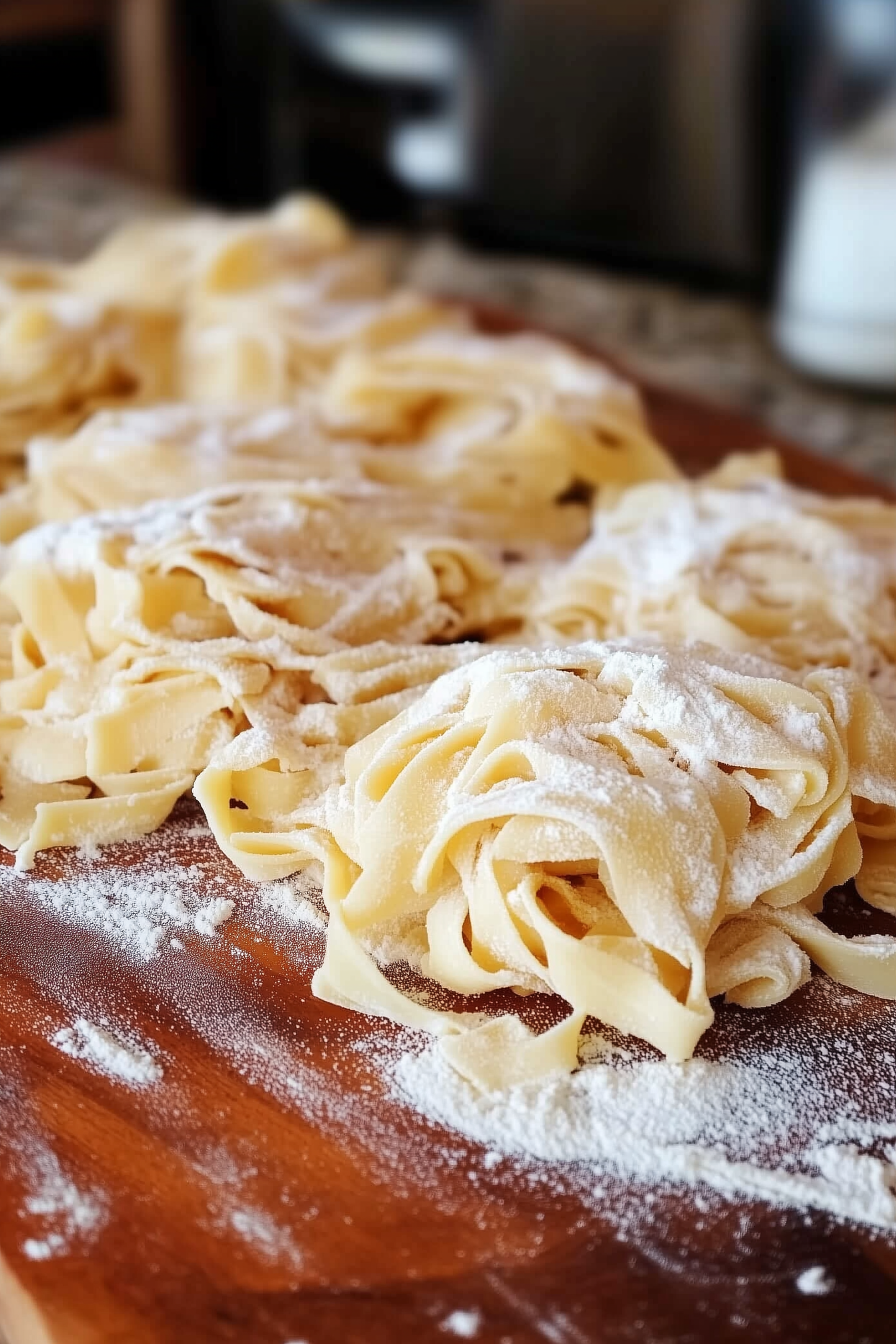
Forget the intimidating notion that making fresh pasta at home is a complex culinary feat reserved for seasoned chefs or requires specialty ingredients. What if we told you that creating luscious, tender, and utterly delicious pasta from scratch can be as simple as gathering four common ingredients from your pantry? That's right! You can skip the fancy flour and expensive equipment, because crafting your own pasta is not just doable on a weeknight, it's a wonderfully rewarding experience that brings a touch of magic to any meal.
This comprehensive guide dives into the secrets of making delightful homemade pasta with just all-purpose flour, eggs, olive oil, and a pinch of salt. Prepare to transform humble ingredients into a culinary masterpiece that will impress your family and friends, proving that the best flavors often come from the simplest sources. Get ready to explore Easy Homemade Pasta: Simple Recipes for Any Night & Skill Level, making it accessible for everyone.
The Myth of "Fancy Flour": Why All-Purpose Shines for Homemade Pasta Recipes
For years, many home cooks have been led to believe that authentic fresh pasta demands specific flours like Italian "00" flour or coarse semolina. While these flours certainly have their place in traditional Italian pasta making, imparting unique textures and characteristics, they are by no means essential for a fantastic everyday pasta. In fact, our go-to homemade pasta recipes prove that readily available all-purpose flour delivers incredibly satisfying results.
Why does all-purpose flour work so well? It contains a moderate protein content, typically ranging from 10-12%. This protein forms gluten when hydrated and kneaded, which is precisely what gives pasta its chewy, elastic texture. When you're aiming for a versatile noodle that holds up well to various sauces and offers a delightful bite, all-purpose flour rises to the occasion. It's forgiving, easy to work with, and produces noodles that are both bouncy and delicious, without the need for a special trip to an Italian deli. This accessibility is a game-changer, making homemade pasta a realistic option for spontaneous weeknight dinners.
Unveiling the 4-Ingredient Magic: Your Simple Homemade Pasta Recipe Ingredients
The beauty of this particular homemade pasta recipe lies in its sheer simplicity. You likely have these four essential ingredients on hand already, ready to be transformed:
- All-Purpose Flour: As discussed, this common staple is your foundation. It provides the structure and chewiness crucial for excellent pasta.
- Eggs: Eggs are the lifeblood of fresh pasta dough. They contribute moisture, richness, and help bind the dough together, giving it that characteristic golden hue and tender texture. For insights into the nuances of eggs and flour in pasta, check out Unlock Authentic Italian Pasta: The Best Flour & Egg Secrets.
- Olive Oil: A splash of good quality olive oil adds a subtle flavor, enhances the dough's elasticity, and makes it smoother and easier to work with. It also contributes to the pasta's silky mouthfeel once cooked.
- Salt: Essential for flavor! Adding salt directly to the dough seasons the pasta from the inside out, making it taste delicious even before it hits the sauce. Don't forget to generously salt your cooking water too!
The classic Italian ratio often suggests one egg per 100 grams of flour. While this recipe might adjust slightly based on the size of your eggs and local humidity, the principle remains: eggs are the primary liquid and enricher. Combining these four elements results in a dough that is wonderfully pliable, easy to roll, and cooks up into perfectly al dente noodles every time.
Your Step-by-Step Guide to Effortless Homemade Pasta
Ready to get your hands dirty? Making pasta is a therapeutic process that engages your senses. Here’s how to bring your 4-ingredient dough to life:
Step 1: The Flour Well
Start by mounding your all-purpose flour directly onto a clean, dry work surface – a large cutting board or countertop works best. Create a deep, wide well in the center, much like a volcano crater. This is where your wet ingredients will go.
Step 2: Add the Wet Ingredients
Crack your eggs directly into the well. Add the olive oil and salt. Using a fork, gently begin to whisk the eggs, slowly incorporating small amounts of flour from the inner walls of the well. The key here is patience; try to keep the flour walls intact as best as you can to prevent the egg mixture from spilling out. Continue mixing until a shaggy, soft dough forms.
Step 3: Knead for Perfection
Once the ingredients are roughly combined, scrape the dough together with a bench scraper and begin to knead. This is where the magic happens! Push the dough away from you with the heel of your hand, then fold it back towards you. Rotate and repeat. Kneading develops the gluten, transforming the sticky, lumpy mass into a smooth, elastic ball.
- Practical Tip: Knead for about 8-10 minutes. The dough should feel springy and smooth, no longer sticky. A good test is the "windowpane test": pinch off a small piece of dough and gently stretch it. If you can stretch it thin enough to see light through it without tearing, your gluten is well-developed!
Step 4: Rest and Relax
Form the dough into a ball, lightly dust it with flour if needed, and wrap it tightly in plastic wrap. Let it rest at room temperature for at least 30 minutes, or up to an hour. Resting allows the gluten to relax, making the dough much easier to roll out thinly without snapping back.
Step 5: Roll and Shape
Now for the fun part: shaping! You have options:
- With a Rolling Pin & Knife: This is the simplest method. Divide the dough into manageable portions. Lightly flour your work surface and rolling pin. Roll the dough out as thinly as you can get it – aim for almost translucent, around 1/16th of an inch. Once rolled, lightly flour the surface, then gently fold the dough into thirds or roll it loosely into a log. Using a sharp knife, cut into your desired noodle width (e.g., thin for tagliolini, wider for fettuccine or pappardelle). Unfurl the cut noodles and dust with more flour to prevent sticking.
- With a Pasta Machine: For effortless precision, a hand-crank or electric pasta machine is invaluable. Divide your rested dough into four pieces. Flatten one piece into a rectangle, lightly flour it, and pass it through the widest setting of your pasta machine. Fold it into thirds, flatten, and pass through again. Repeat this folding and passing 5-6 times to further develop gluten and create a perfectly smooth sheet. Then, without folding, continue passing the dough through progressively narrower settings until it reaches your desired thickness. Finally, feed the sheets through the appropriate cutter attachment for tagliatelle, fettuccine, or spaghetti.
As you work, keep any dough you're not actively rolling covered with plastic wrap or a damp cloth to prevent it from drying out.
Step 6: Cooking Your Fresh Pasta
Bring a large pot of heavily salted water to a rolling boil (it should taste like the ocean). Fresh pasta cooks much faster than dried pasta – usually just 2-4 minutes, depending on its thickness. Drop your pasta into the boiling water, stir gently to prevent sticking, and cook until it's al dente – tender with a slight bite. Drain quickly, reserving some pasta water for your sauce.
Troubleshooting Common Homemade Pasta Hurdles
Even with a simple recipe, you might encounter a few common issues:
- Dough is too sticky: If your dough feels overly sticky after kneading, add a tiny pinch of flour at a time (about a teaspoon), kneading it in until the stickiness subsides. Be cautious not to add too much, or the pasta will be tough.
- Dough is too dry/crumbly: If your dough won't come together or feels too stiff, moisten your hands with a few drops of water or olive oil and continue kneading. The extra moisture, combined with continued kneading, often coaxes it into submission.
- Pasta drying out while working: Fresh pasta dries out quickly! Always keep dough you're not actively working with covered with plastic wrap or a slightly damp towel. Once cut, either cook immediately or lightly dust with flour and arrange in single layers on a parchment-lined baking sheet to air dry for about 15-30 minutes before cooking, or freeze for later.
Beyond the Basics: Serving Your Simple Homemade Pasta
The beauty of this 4-ingredient homemade pasta is its versatility. It’s a blank canvas, ready to soak up the flavors of your favorite sauces. While classic pairings like a rich bolognese, a vibrant pesto, or a simple garlic and olive oil sauce are always winners, don't be afraid to get creative:
- Light & Fresh: Toss with cherry tomatoes, fresh basil, mozzarella pearls, and a drizzle of balsamic glaze.
- Creamy Indulgence: Combine with a quick Alfredo sauce or a creamy mushroom and herb sauce.
- Rustic Charm: Pair with a hearty sausage and kale ragu or a simple butter and sage sauce.
The delicate texture of fresh pasta truly shines with sauces that aren't too heavy or overpowering, allowing the pasta's inherent flavor to come through.
Making delicious homemade pasta doesn't require an Italian Nonna or a gourmet pantry. With just four humble ingredients – all-purpose flour, eggs, olive oil, and salt – and a little time, you can create fresh, chewy, and incredibly satisfying noodles right in your own kitchen. It's a comforting, hands-on activity that yields dividends in flavor and culinary pride. So, roll up your sleeves, embrace the simplicity, and discover the joy of crafting your very own exquisite pasta from scratch. Your taste buds will thank you!